

destinations
Gürcütepe
Located just 4 km southeast of Şanlıurfa, on the northwestern edge of the Harran Plain, Gürcütepe is one of the remarkable Neolithic settlements of the Taş Tepeler region. Spreading across a wide area and consisting of eight interconnected settlements, the site offers valuable insights into the everyday life of some of the earliest farming communities in Upper Mesopotamia.
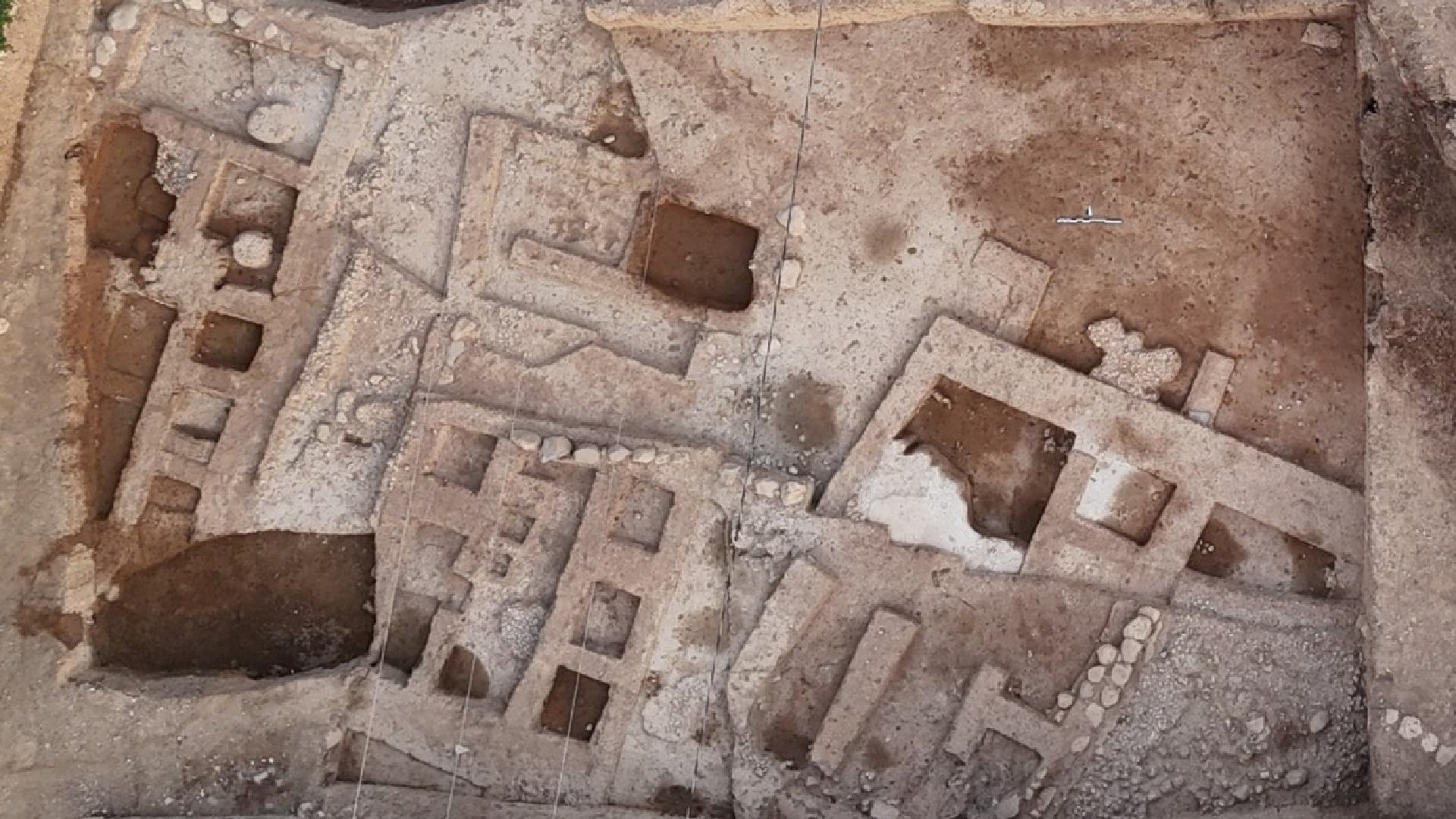
The earliest traces of settlement at Gürcütepe date back to around 7500–7000 BCE, during the Late Pre-Pottery Neolithic period. Archaeological discoveries reveal a vibrant community life shaped by stone-founded houses, shared streets, and open spaces where daily activities once took place. Hearths, workshops, and traces of food preparation suggest a settlement where domestic life and craft production flourished.
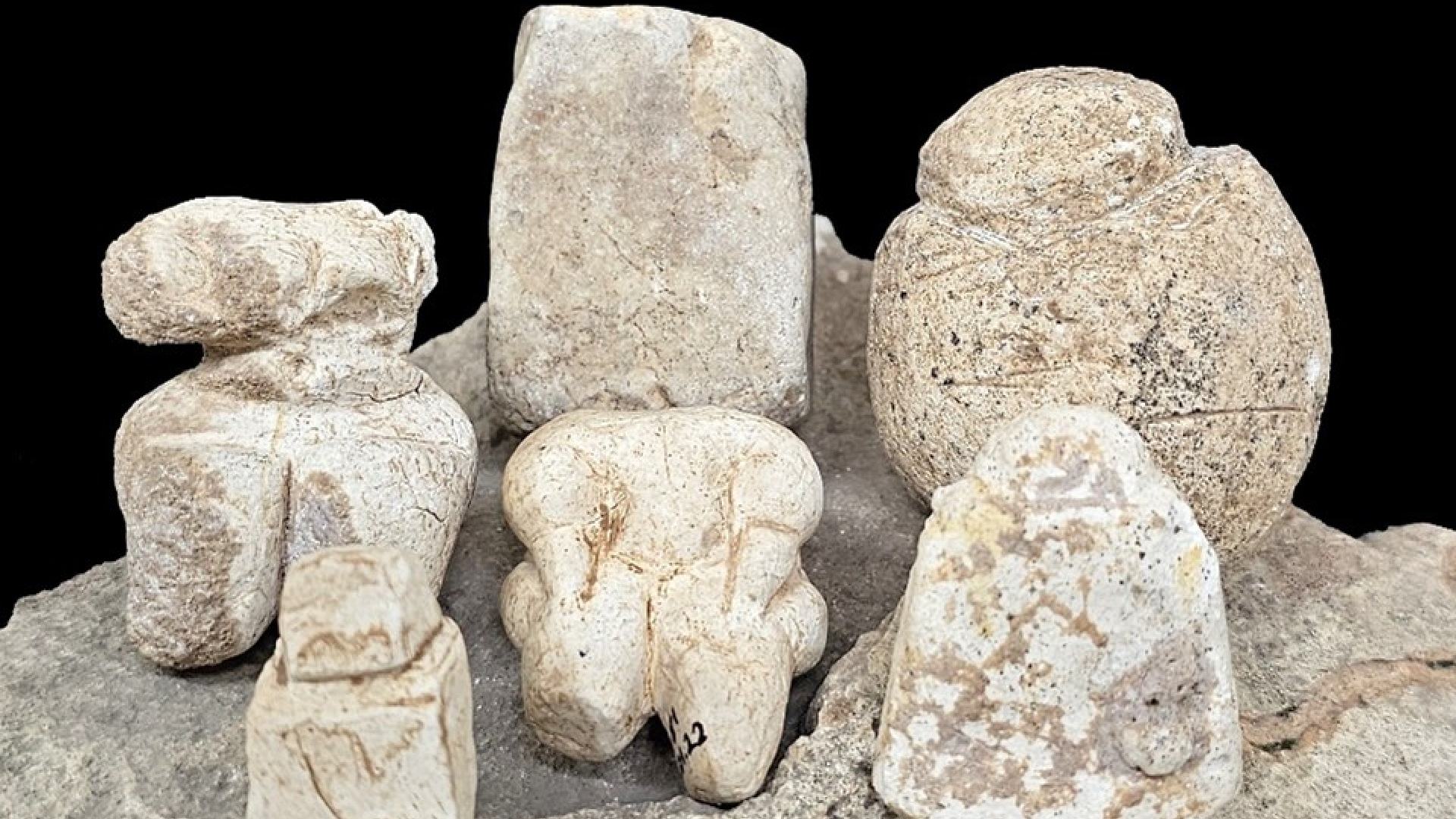
Excavations have uncovered a rich collection of finds, including human figurines, stone vessels, beads, and tools used for grinding, cutting, and harvesting. Particularly striking are limestone female figurines that hint at symbolic or social roles within the community. Materials such as obsidian and malachite—brought from distant regions—also point to early networks of exchange and interaction.
Animal remains show that sheep and goats played a central role in the economy, while wild species such as gazelle and deer remind us that these communities still lived closely connected to their natural environment.
Gürcütepe holds a special place within the Taş Tepeler Project, as it helps illuminate a transformative moment in human history. During this period, communities began moving from the limestone hills—home to monumental ritual centers like Göbeklitepe—down toward the plains, establishing settlements that reflect changing lifestyles and new ways of living.
Today, ongoing excavations continue to reveal the story of this early community, offering a fascinating window into the lives of the people who helped shape the beginnings of settled life in the region.